 Skip to main content

When it comes to choosing a roof, most homeowners automatically think of asphalt shingles because they’re familiar and widely used. However, metal roofing has rapidly gained popularity as homeowners look for longer-lasting, more efficient, and lower-maintenance solutions.
So what actually makes metal roofing different from traditional roofing materials? Let’s break it down clearly and honestly.
Structural Differences: Metal vs Traditional Roofing
The biggest difference between metal roofing and traditional asphalt shingles is how the roof is built and installed.
Traditional roofing relies on overlapping shingles nailed directly to the roof deck. Over time, these shingles can crack, curl, or lose granules due to sun exposure, moisture, and temperature changes.
Metal roofing systems, on the other hand:
-
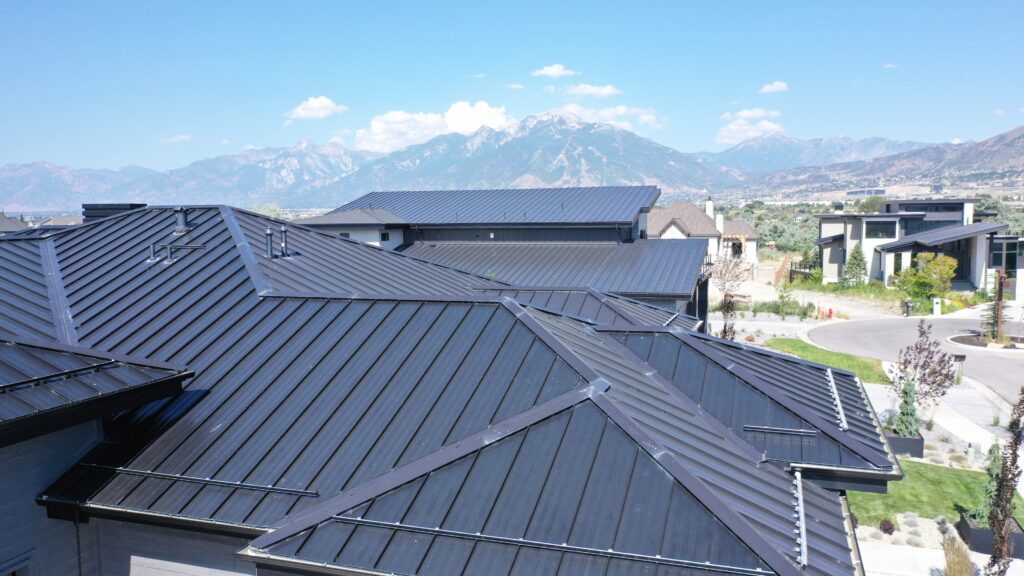
Use large interlocking panels or metal shingles
-
Are installed with engineered fastening systems
-
Expand and contract safely with temperature changes
-
Create fewer seams and water entry points
This structural difference is why metal roofs outperform traditional roofs in harsh weather.
Longevity: Built for Decades, Not Years
One of the most important distinctions is lifespan.
-
Asphalt shingles typically last 15–25 years
-
Metal roofing systems often last 40–70 years
That means many homeowners replace an asphalt roof two or three times during the lifespan of one metal roof. Over time, this dramatically changes the true cost of ownership.
Weather Performance & Durability
Traditional roofing materials are vulnerable to:
-
Wind uplift
-
Ice dams
-
Hail impact
-
Moisture absorption
-
Freeze-thaw cycles
Metal roofing is engineered to resist these issues:
-
Panels are rated for high wind speeds
-
Snow and ice slide off more easily
-
Impact-resistant coatings reduce hail damage
-
Non-porous materials prevent moisture absorption
This makes metal roofing especially attractive in regions with extreme seasonal weather.
Fire Resistance & Safety
Another major difference is fire performance.
-
Asphalt shingles are combustible
-
Wood shakes increase fire risk
-
Metal roofing is non-combustible
Metal roofs carry a Class A fire rating, the highest available. This makes them an excellent option for homeowners concerned about fire exposure or looking for added peace of mind.
Energy Efficiency & Indoor Comfort
Traditional roofing absorbs heat, especially dark asphalt shingles, which can raise attic and indoor temperatures.
Metal roofing reflects solar radiation and works well with:
-
Radiant barriers
-
Proper attic ventilation
-
Cool-roof coatings
This helps stabilize indoor temperatures and can reduce cooling costs during warm months.
Maintenance & Long-Term Care
Asphalt roofs require ongoing maintenance:
-
Replacing missing shingles
-
Repairing leaks
-
Addressing granule loss
Metal roofs require significantly less maintenance:
-
No cracking or curling
-
Minimal fastener inspections
-
Long-lasting factory finishes
For homeowners who prefer low maintenance, metal roofing offers a clear advantage.
Upfront Cost vs Long-Term Value
Metal roofing typically costs more upfront than asphalt shingles. However, when considering:
-
Longer lifespan
-
Fewer repairs
-
Lower replacement frequency
-
Potential energy savings
Metal roofing often delivers better long-term value, especially for homeowners planning to stay in their homes long-term.
Is Metal Roofing the Right Choice for You?
Metal roofing isn’t just different it’s designed for homeowners who want:
-
Durability over decades
-
Better protection from weather
-
Improved energy performance
-
Fewer roofing headaches over time
If you’re evaluating roofing options, understanding these differences puts you in a stronger position to make the right decision.
5 Responses
https://shorturl.fm/odlhl
https://shorturl.fm/W1ko1
https://shorturl.fm/Puyiw
https://shorturl.fm/7n9vp
https://shorturl.fm/32HuD