 Skip to main content
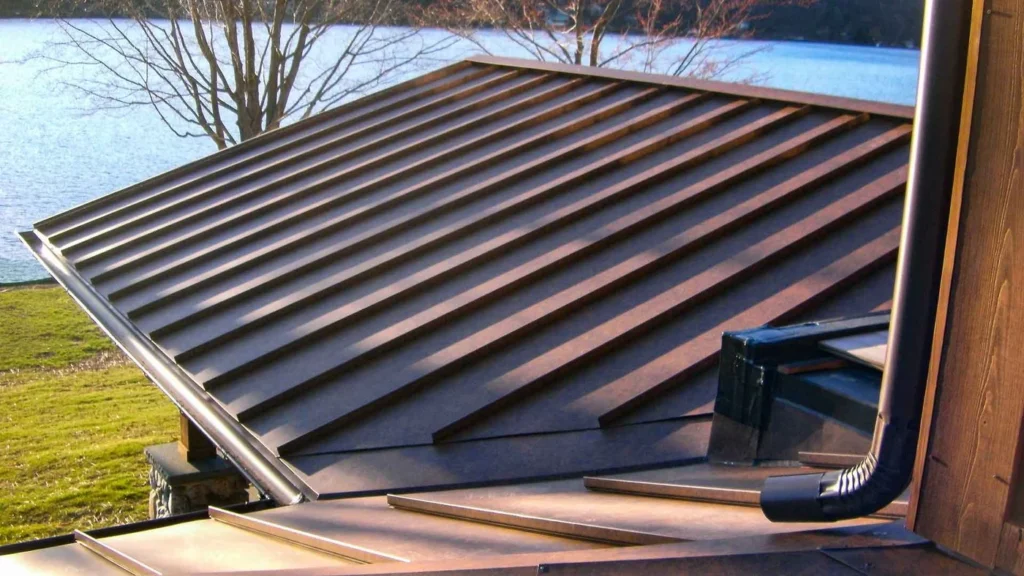
Metal roofing is one of the most durable and long-lasting options available, but it still requires regular care to perform at its best. With proper maintenance, a metal roof can last 40–70 years or more while maintaining its strength, efficiency, and appearance.
This homeowner-friendly checklist will help you keep your metal roof in top condition and avoid costly repairs.
Why Metal Roof Maintenance Matters
Even though metal roofs are low-maintenance compared to other materials, they are not maintenance-free. Regular upkeep helps:
- Prevent leaks and water damage
- Avoid rust and corrosion
- Maintain energy efficiency
- Extend the lifespan of your roof
- Protect your investment
A little maintenance goes a long way in preventing major roofing issues.
Metal Roof Maintenance Checklist
Inspect Your Roof Regularly
Schedule a visual inspection at least twice a year and after major storms.
What to check:
- Loose or missing fasteners
- Damaged or misaligned panels
- Cracks in sealants or flashing
- Signs of rust or corrosion
Early detection helps prevent small issues from becoming expensive repairs.
Clean Debris from the Roof Surface
Leaves, branches, and dirt can trap moisture and lead to damage over time.
Make sure to:
- Remove debris from roof valleys and corners
- Keep the surface clean to prevent water buildup
- Avoid using harsh tools that can scratch the metal
A clean roof drains water more efficiently and reduces corrosion risks.
Keep Gutters and Downspouts Clear
Clogged gutters can cause water to back up onto your roof, leading to leaks and structural damage.
Maintenance tips:
- Clean gutters regularly
- Check for proper water flow
- Repair damaged or sagging sections
Proper drainage is essential for protecting your metal roof.
Check for Rust and Corrosion
Although metal roofs are coated for protection, exposure to moisture can still cause rust over time.
Look for:
- Discoloration or orange spots
- Peeling paint or coating
- Areas where water tends to collect
If detected early, rust can be treated before it spreads.
Tighten and Replace Fasteners
Metal roofs expand and contract with temperature changes, which can loosen screws and fasteners.
Be sure to:
- Check for loose or missing screws
- Replace worn-out rubber washers
- Ensure all panels are securely attached
This helps prevent leaks and wind damage.
Inspect Seams and Flashing
Seams and flashing are common areas where leaks can develop.
Check:
- Around chimneys, vents, and skylights
- Roof joints and panel overlaps
- Sealants for cracks or wear
Re-sealing these areas when needed keeps your roof watertight.
Trim Overhanging Branches
Nearby trees can pose a risk to your roof, especially during storms.
Prevent damage by:
- Trimming branches that hang over your roof
- Reducing debris buildup
- Minimizing the risk of scratches or dents
This simple step protects both your roof and your gutters.
Wash Your Metal Roof Occasionally
Cleaning your roof helps maintain its appearance and performance.
Use:
- Mild soap and water
- A soft brush or cloth
- Low-pressure water (avoid high-pressure washing)
This removes dirt, algae, and pollutants that can affect the coating.
Check for Storm Damage
After heavy rain, wind, or hail, always inspect your roof.
Look for:
- Dents or impact marks
- Loose panels
- Debris accumulation
Addressing storm damage early prevents long-term issues.
Schedule Professional Inspections
While DIY checks are helpful, professional inspections are essential.
Experts can:
- Identify hidden damage
- Check structural integrity
- Recommend necessary repairs
Aim for a professional inspection once a year.
Common Mistakes to Avoid
Avoid these mistakes to keep your metal roof in good condition:
- Walking on the roof without proper safety
- Using abrasive cleaning tools
- Ignoring small issues
- Delaying repairs
- Hiring unqualified contractors
Proper care and professional support ensure long-term performance.
Metal roofs are built to last, but regular maintenance is the key to maximizing their lifespan and performance. By following this simple homeowner checklist, you can prevent costly damage, improve efficiency, and keep your roof looking great for decades.
Consistent care today means fewer repairs tomorrow and a stronger, more reliable roof for years to come.
7 Responses
If you’re investigating the world of color analysis, knowing your season can certainly help refine your wardrobe and makeup choices. For context, if you have fair olive skin or a reddish undertone, you might connect with palettes like deep summer or soft winter. These palettes reveal the most flattering colors that match your skin tone, such as the deep summer color palette or the soft winter palette, both top choices in 16 season color analysis tests.
For those relying on the Color Analysis Pro app, learning how to cancel your subscription can prove difficult sometimes. If you need help on how to cancel Color Analysis Pro subscription or to just find a free color analysis alternative, check out this valuable guide [url=https://freecoloranalysis.org]deep summer color season[/url] . Whether you’re eager to know what season you are or want a complete skin tone chart, there are plenty of online tools and quizzes like the 16 seasonal color analysis quiz to point you in the right direction.
https://shorturl.fm/pjOhi
https://shorturl.fm/ciOSD
https://shorturl.fm/UFpjL
https://shorturl.fm/jsjy6
https://shorturl.fm/UfZHs
https://shorturl.fm/iBWPh